
Protecting Your Personal Information
Simple habits that make it much harder for scammers to reach you, your identity or your money.
Most of us have received a message that made us stop and think. A text claiming a parcel couldn't be delivered, an email saying your account has been suspended, or a call from someone who sounds very official and very urgent. Scams have become far more polished than they used to be, and the people behind them are skilled at making a request feel routine.
The good news is that a handful of simple habits can protect you from the vast majority of them. This article covers the ones we think matter most.
Key Points
- Scam emails, texts and phone calls are becoming more convincing, and often look and sound like they come from a bank, government agency or trusted business.
- Sensitive details such as your tax file number, passwords and banking information should never be sent by email or text message.
- If something feels off, the safest step is to stop, hang up or close the message, and contact the organisation directly using details you have found yourself on official websites or documentation.
- Documents are far safer shared through a secure portal such as MyProsperity or Docusign than attached to an email.
- Personal and financial details should not be typed or uploaded into AI chatbots or other large language models.
Why Your Tax File Number Needs Special Care
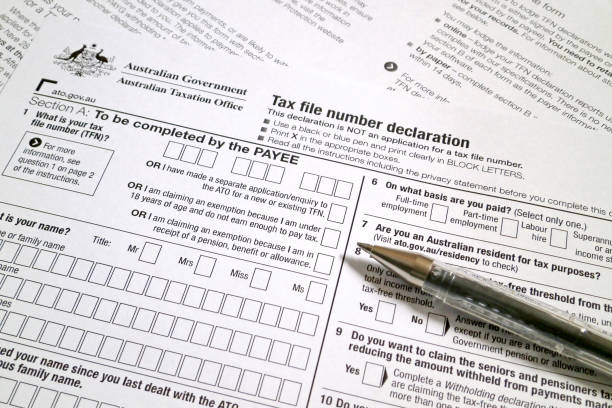
Your tax file number (TFN) is one of the most valuable pieces of personal information you hold. In the wrong hands, it can be used to lodge false tax returns, apply for credit or commit identity fraud in your name.
As a general rule, you should only provide your TFN when you are certain who you are giving it to and why they need it. That includes your employer, your superannuation fund, your bank, the Australian Taxation Office and your tax agent or financial adviser. It should never be sent by regular email or text message, because these channels are not secure and can be intercepted or accessed by others.
If someone contacts you and asks for your TFN, particularly if the request feels urgent, the safest response is to say that you will call them back. Then find the organisation's official phone number yourself, through their website or a past statement, rather than using any number provided in the message or call.
Share Documents Through MyProsperity, Not Email
Email is convenient, but it was never designed to carry sensitive documents. Messages can be intercepted, forwarded to the wrong person, or sit in an inbox for years. If someone gains access to your email account, every statement, ID scan and form you have ever sent or received is suddenly within their reach.
That is why we encourage you to use MyProsperity, our secure client portal, whenever you need to send or receive documents. Files shared through the portal are protected behind your own login, rather than travelling through ordinary email, and everything is kept together in one place so you always know where to find it.
In practice, this means that if we ask you for bank statements, identification, tax documents or signed forms, we will ask you to upload them through MyProsperity. Likewise, if you need to send us something, please use the portal rather than replying to an email with an attachment. If you are unsure how to use it, or have trouble logging in, simply give our team a call and we will happily walk you through it.

Think Before You Paste Into AI Tools
AI chatbots and other large language models can be genuinely useful for everyday tasks like explaining a term, drafting a letter or summarising an article. But it is worth treating them the way you would treat any public website: as somewhere not to share your personal details.
Depending on the tool and its settings, what you type or upload may be stored, reviewed by the provider, or used to improve the service. Once your information has been entered, you generally have very little control over where it goes. For that reason, we recommend never entering or uploading details such as your tax file number, passwords, bank account or card numbers, identification documents, account statements or your financial advice documents into an AI tool.
If you would like help understanding something in your statement or advice, the safest approach is to ask your adviser. We are always happy to explain anything that you are unsure of.

Five Habits That Make a Real Difference
Slow down when a message creates urgency
Scammers rely on pressure. Warnings about frozen accounts, unpaid fines, missed deliveries or limited-time offers are designed to make you act before you think. A genuine organisation will not mind you taking a moment to check.
Be cautious with links and attachments
If a message asks you to click a link to log in, confirm details or claim something, avoid clicking it. Instead, open your browser and go to the organisation's website yourself, or use their official app. Be equally careful with unexpected attachments, even if the sender appears to be someone you know, as their account may have been compromised.
Never share passwords or one-time codes
Banks and genuine organisations will not ask for your full password, PIN or the verification codes sent to your phone. If someone asks you to read out or forward a code, treat it as a red flag, even if they sound completely legitimate.
Use strong, different passwords and turn on extra security
Using the same password across several accounts means one breach can open many doors. A password manager can help you keep unique passwords, and turning on multi-factor authentication adds a second layer of protection on important accounts like email, banking and myGov.
Keep your devices up to date
Software updates on your phone, tablet and computer often include fixes for security weaknesses. Turning on automatic updates is one of the easiest ways to stay protected without having to think about it.
Common Warning Signs
While scams come in many forms, most share a few familiar features. Be on guard if a message or call involves any of the following:
- An unexpected request for personal, banking or tax details
- A sense of urgency, or a threat of consequences such as a fine, arrest or account closure
- A sender address or phone number that looks slightly different from the real organisation
- Spelling mistakes, unusual wording or generic greetings such as "Dear customer"
- A request to pay using gift cards, cryptocurrency or an unfamiliar bank account
What To Do If You Think You Have Clicked Or Shared Something
Anyone can be caught out, and scammers are very good at what they do. If you think you have clicked a suspicious link, shared personal information or sent money, the most important thing is to act quickly and not to feel embarrassed.
If you think you have been scammed
- Contact your bank straight away, using the number on the back of your card or on their official website.
- Change the passwords on any accounts that may be affected, starting with your email and banking.
- If your tax file number or identity documents were shared, contact the ATO and consider speaking to IDCARE, Australia's national identity and cyber support service, for free, confidential support.
- Report the scam to Scamwatch at scamwatch.gov.au, and if it involves a cyber incident, to ReportCyber at cyber.gov.au.
- Let your financial adviser know, so we can help you check that your accounts and investments are secure.

How We Protect Your Information
Protecting your information is a shared responsibility. As a general practice, we will never ask you to send sensitive details such as your tax file number, passwords or full banking information by regular email or text message. If we need to collect personal information or documents from you, we will ask you to upload them through MyProsperity, or arrange to speak with you directly.
If you ever receive a message that appears to come from us and something doesn't feel right, please don't click on anything. Give our team a call using the number you already have for us, and we will gladly confirm whether the message is genuine.
If a message feels unusual, it is always fine to stop and check. A quick phone call is a small price to pay for peace of mind, and no genuine organisation will ever be upset that you took the time to be careful.

Please note: This content is general in nature and does not constitute financial advice. It does not take into account your personal objectives, financial situation or needs. For the latest information on current scams and how to report them, visit scamwatch.gov.au and cyber.gov.au. If you are concerned that your personal or financial information has been compromised, please contact your financial institution or our team as soon as possible.