Staying Calm During Market Volatility
A General Perspective
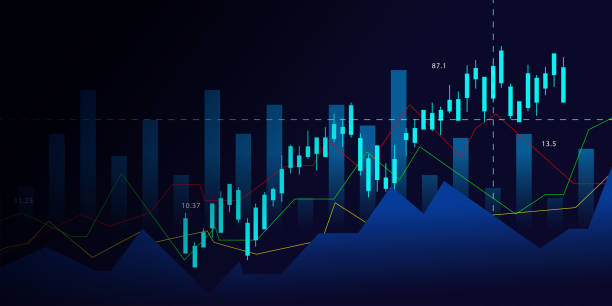
Market volatility is a normal part of investing, although it rarely feels that way in the moment. Periods of uncertainty, often driven by economic news, interest rate changes, or global events, can lead to noticeable fluctuations in investment values.
While these movements are expected over time, they can still feel unsettling. Daily market updates and constant media coverage can amplify concerns and create a sense of urgency.
A Common Investor Experience
During a recent period of market volatility, an investor noticed increased fluctuations in their portfolio. After a sustained period of growth, the shift in market conditions felt significant.
As values moved lower than previous highs, they began to question whether changes should be made. This is a common response in similar situations.
At the same time, they remained aware that their investments were built with a long-term outlook.

Observations During Volatile Periods
- Increased focus on short-term market movements
- Heightened emotional responses such as concern or hesitation
- Greater emphasis on recent performance
- External noise making decisions feel more urgent
Market Cycles and Behaviour
Financial markets move through cycles of growth, decline, and recovery. While timing varies, short-term fluctuations are a consistent feature across all market environments.
Volatility can appear suddenly and resolve at different speeds, meaning investor experiences can vary widely.

Closing Thoughts
Market volatility can influence how investors feel, particularly when movements are frequent or pronounced. These experiences often reflect a balance between short-term reactions and long-term thinking.
Recognising that these responses are common can provide helpful context during uncertain periods.
This article is for general informational purposes only and does not constitute financial advice. The scenario is hypothetical and for illustrative purposes only. Investment decisions should be based on individual objectives, financial situation, and needs. Past performance is not a reliable indicator of future performance.